
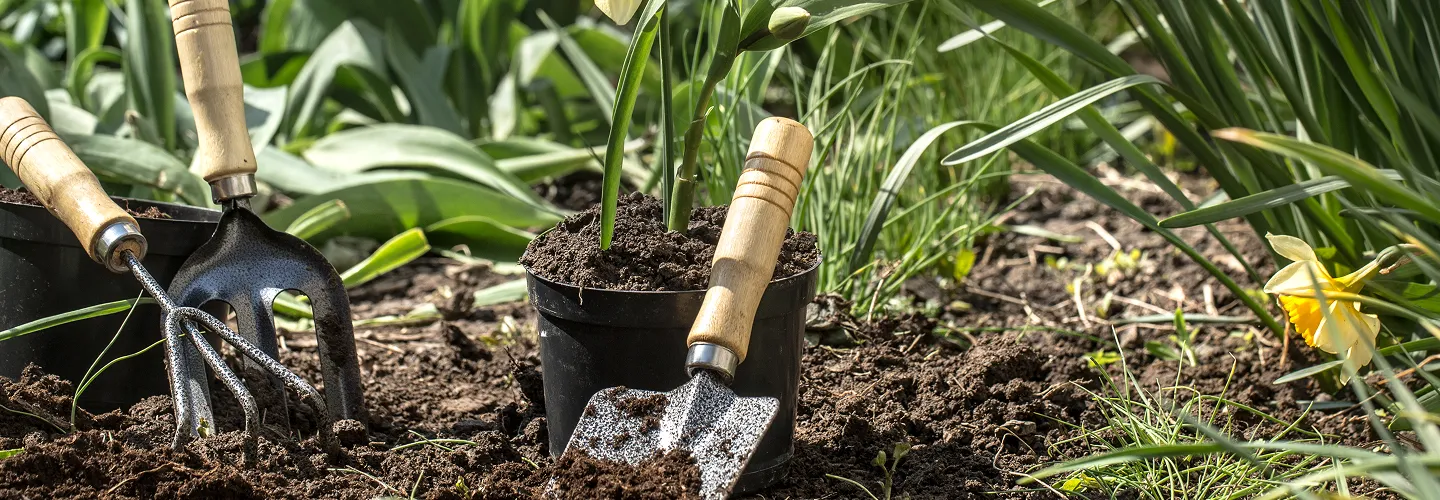
Kendalia Hedging Services
Choose our professional hedging services for precise, healthy, and beautifully shaped hedges that enhance your property's curb appeal, provide privacy, and require minimal maintenance year-round.
Get a Free QuoteOur Kendalia Landscaping & Yard Care Services
When to Schedule Hedging in Kendalia, Texas – Seasonal Guide
In Kendalia, Texas, the best times to schedule hedging are typically late winter through early spring and again in late summer. These periods align with the region’s mild temperatures and reduced risk of frost, which usually ends in early March. Hedging during these windows helps promote healthy regrowth and minimizes plant stress, especially important in neighborhoods like River Bend Estates and near the Guadalupe River, where microclimates can influence growth patterns.
Local environmental factors play a significant role in determining the optimal hedging schedule. Kendalia’s soil tends to be rocky and well-drained, which affects moisture retention and root health. The area experiences periodic droughts and high summer humidity, so timing hedging before the peak heat helps maintain plant vigor. Additionally, properties with dense shade from mature oaks or those near landmarks like Kendalia Hall may require customized approaches. For more information on local regulations and best practices, consult the Sudbury municipal resources.
Local Factors to Consider for Hedging in Kendalia
- Tree density and shade coverage on your property
- Terrain variations, especially in hilly or rocky areas
- Seasonal precipitation patterns and drought risk
- Local frost dates and temperature fluctuations
- Municipal restrictions or neighborhood association guidelines
Benefits of Hedging in Kendalia
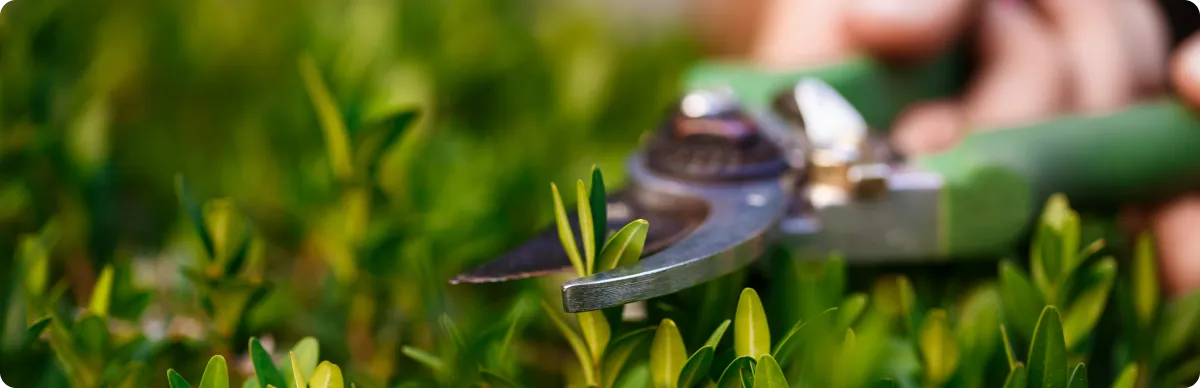
Enhanced Property Privacy
Improved Curb Appeal
Natural Windbreak Protection
Low Maintenance Landscaping
Increased Property Value
Eco-Friendly Green Solutions
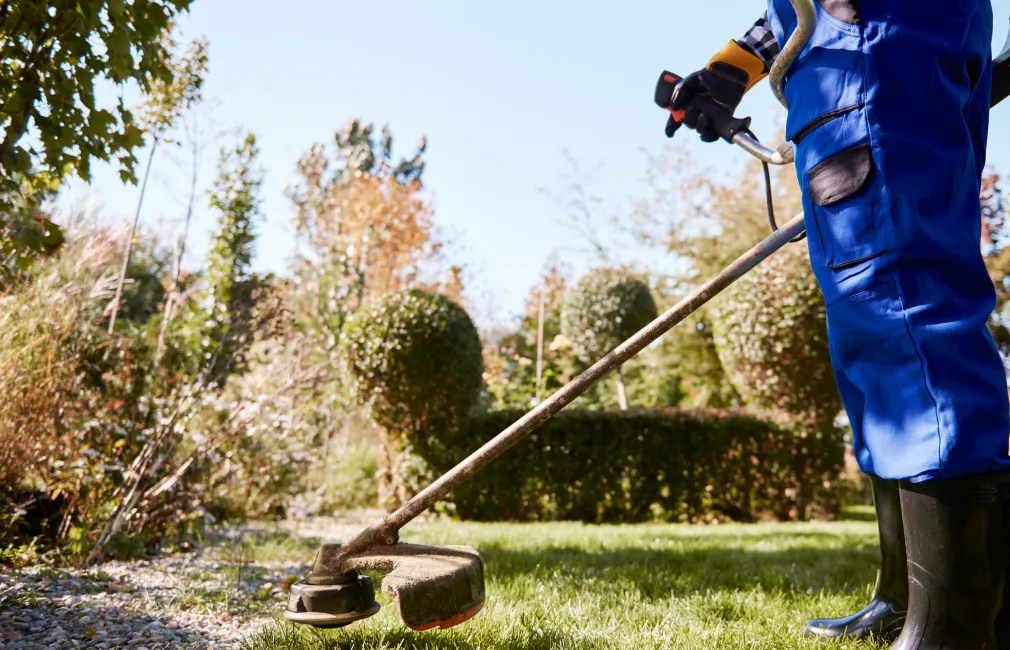
Kendalia Hedging Types

Boxwood Hedges
-
Privet Hedges
-
Yew Hedges
-
Holly Hedges
-
Laurel Hedges
-
Photinia Hedges
-
Arborvitae Hedges
Our Hedging Process
Consultation and Planning
Site Preparation
Precision Trimming
Cleanup and Inspection
Why Choose Kendalia Landscape Services
-
Kendalia Homeowners Trust Us
-
Expert Lawn Maintenance
-
Reliable Scheduling
-
Competitive Pricing
-
Professional Team
-
Satisfaction Guarantee
-
Personalized Service
Hedging Practices for Kendalia’s Blackland Prairie Soils and Drainage Patterns
Hedging in Kendalia requires careful consideration of the region’s predominant Houston Black clay soils, as identified by the USDA Web Soil Survey. These Vertisols are characterized by high clay content, pH levels typically ranging from 7.5 to 8.2, and poor drainage, which can lead to root stress and compaction. For optimal hedge establishment, soil amendments such as compost (2-3 inches tilled to 6-inch depth) and gypsum are recommended to improve structure and permeability. Soil testing through Texas A&M AgriLife Extension (15-25 cost) is advised before planting. When installing hedges, maintain a minimum spacing of 18-24 inches between plants to ensure adequate airflow and root development. Mulching with 2-3 inches of organic material helps retain moisture and moderate soil temperature. These practices support healthy hedge growth and reduce the risk of disease in Kendalia’s unique soil environment.
Municipal Coordination and Debris Management for Hedging in Kendalia
Proper disposal of hedge trimmings and green waste in Kendalia is governed by local municipal protocols. The city’s yard waste collection typically occurs every Thursday from April through November, with accepted materials including brush under 4 feet in length and leaves. Residents must use biodegradable bags or reusable bins (32-gallon maximum), while plastic bags and branches over 4 inches in diameter are prohibited. For large-scale hedge removals or projects generating significant debris, coordination with the Department of Public Works is required for special pickup or drop-off arrangements.
San Antonio Public Works Department
114 W. Commerce Street, San Antonio, TX 78205
Phone: (210) 207-8022
Official Website: San Antonio Public Works Department
Compliance with these guidelines ensures efficient waste management and prevents violations of Kendalia’s MS4 stormwater permit under the Clean Water Act. Improper disposal, such as placing clippings in storm drains, is strictly prohibited and subject to enforcement.
Environmental Compliance: Buffer Zones and Wetland Protections in Kendalia
Hedging activities near Kendalia’s creeks, wetlands, and conservation areas must adhere to both municipal and state environmental regulations. A standard 25-foot no-disturbance buffer is required from the edge of delineated wetlands, and a 50-foot setback applies for fertilizer or pesticide applications adjacent to water bodies. These requirements are enforced under the Texas Water Code and the city’s own environmental ordinances. The Texas Commission on Environmental Quality (TCEQ) oversees MS4 stormwater compliance, prohibiting the discharge of yard waste or chemicals into storm drains. Sensitive areas, such as riparian corridors and floodplains, may have additional restrictions on plant species and maintenance methods to protect native vegetation and water quality. For guidance on buffer delineation and compliance, consult the city’s environmental management office.
San Antonio Environmental Management
1400 S. Flores Street, San Antonio, TX 78204
Phone: (210) 207-1447
Official Website: San Antonio Environmental Management
Equipment Operation Hours and Safety Standards for Hedging in Kendalia
Operation of power hedge trimmers and related equipment in Kendalia is regulated by municipal noise ordinances to minimize disturbance. Permitted hours for commercial and residential hedging are:
- Monday-Friday: 7:00 AM - 7:00 PM
- Saturday: 8:00 AM - 6:00 PM
- Sunday and holidays: Prohibited
All operators must use equipment with functioning mufflers, and noise levels should not exceed 85 decibels at the property line. Safety protocols require the use of ANSI Z87.1 rated safety glasses, hearing protection for equipment exceeding 85 dB, steel-toed boots, and cut-resistant gloves during pruning. When working within 15 feet of overhead utilities, maintain clearance and use insulated tools. For projects near public roads, traffic cones and high-visibility vests are mandatory. The Department of Public Works provides additional safety guidance and can review traffic control plans for larger projects.
San Antonio Public Works Department
114 W. Commerce Street, San Antonio, TX 78205
Phone: (210) 207-8022
Official Website: San Antonio Public Works Department
Plant Selection and Spacing for Drought-Resistant Hedges in Kendalia’s Climate Zone
Kendalia is located in USDA Hardiness Zone 8b, with hot summers, mild winters, and periodic drought conditions. Selecting hedge species adapted to these conditions is essential for long-term success. Recommended drought-tolerant species include:
- Texas sage (Leucophyllum frutescens)
- Yaupon holly (Ilex vomitoria)
- Wax myrtle (Morella cerifera)
- Agarita (Mahonia trifoliolata)
- Possumhaw (Ilex decidua)
Plant hedges 18-24 inches apart for dense coverage, and avoid species susceptible to root rot in heavy clay soils. Irrigation should be limited to early morning hours, with deep watering every 7-10 days during establishment. Mulching and soil amendments further enhance drought resilience. For additional plant recommendations and diagnostic support, consult Texas A&M AgriLife Extension.
What Neighborhoods Do We Serve Throughout Kendalia, TX?
- Downtown Kendalia: Features mature landscapes and historic properties, often with compacted clay soils and narrow lot lines requiring precise hedge placement and careful debris management.
- Guadalupe River Corridor: Proximity to water bodies and floodplains necessitates strict buffer compliance and selection of native, flood-tolerant hedge species.
- Oak Ridge Estates: Large lots with established oak trees, requiring careful root zone protection and coordination with local tree preservation ordinances during hedging.
- Cypress Hollow: Newer development with improved drainage infrastructure, but heavy clay subsoils still present challenges for root establishment and stormwater management.
- Hilltop Acres: Elevated terrain with increased wind exposure, making windbreak hedges and species selection for drought and wind tolerance especially important.
- Creekside Meadows: Adjacent to protected riparian zones, requiring adherence to 25-foot wetland buffers and restrictions on chemical applications.
- Sunset Ranch: Rural properties with larger acreage, where equipment access and compliance with setback requirements are key considerations for hedging projects.